STOCKING SAVVY ENVIRONMENTAL CONSULTING
  • Home
  • About
  • SERVICES
  • OUR BOOK
  • Issues
  • PLANT LIST
  • Plant Stocking
    • Aquatic Plant Stocking
    • Terrestrial Plant Stocking
  • Animal Stocking
    • Fish and Invertebrates
    • Reptiles & Amphibians
  • SHOP
  • News
  • Contact
  • The Arts
  • Green Businesses
    • Supported Nonprofits and Grant Programs
  • Newsletter Archive

Safe-GAR-ding Florida’s Wetlands

2/1/2026

0 Comments


Florida is Magic - An Introduction

Florida is a unique state with fantastic wildlife and rising issues. As Florida has developed more and more we are seeing negative effects from this, especially related to stormwater management. A state once covered in wetlands and swamps, these slow moving rivers often flowed only a mile a day. Thus replenishing our groundwater and humidifying the air. More than 10% of species found in Florida are only found in the state, no where else. These plants, fish, and invertebrates in our waters filtered it clean as it slowly flowed into the bays and gulfs. What little nutrients did reach the sea turned into living starlight in the fall. Waters glowing blue bioluminescent light across our shores. Florida is magical. 

However in our bid to live in this magic and not have our homes flood, we have altered this land. We dredged deep ponds from the swamps to raise our homes above the water. To reduce flooding we made canals that shove the water out of the state as fast as possible. Roads were built to allow us to see this magic but cut down the nature we wanted to see. Cities were built with far too few of our native trees turning them into baking ovens. Many brave souls including Stocking Savvy's team aim to solve these issues one pond, ditch, and canal at a time. However doing so has its own problems. Invasive species infest these areas, lurking below the murky surface. Mosquitoes and midge flies swarm more than they ever have and malaria threatens a return. Saltwater intrudes ever further inland poisoning our drinking water. Algae and Red Tide explode in our nutrient filled waters with runoff from farms, lawns, phosphate pits, and golf courses. To fight these issues we have already enlisted one patriotic native fish, The American Flagfish to combat the algae to great effect. Now it is time to look at another, far larger, more intimidating species, that may yet hold the key to fixing all these issues. The Alligator Gar.

Before we get to the Alligator Gar and its well gar-ded secrets, let’s look at the American Flagfish. This fish is endemic to the state, or found only in Florida. The males look like the American Flag sporting red and white stripes and a blue star. Only Florida is cool enough to have our national flag as a fish. Female flagfish have more subtle colors but appreciate their male counterparts' patriotism. These freshwater fish feast upon filamentous algae, a major issue in Florida waters. They eat mosquito and midge fly larvae but aren’t nearly as good at this as the Eastern Mosquitofish which is the most common fish you see. Mosquitofish are so good at eating mosquitoes they are mandated by law to be stocked in every pond. This helps reduce mosquito numbers and prevent deadly diseases like malaria and zika. However they are also the only fish we always stock in ponds and manmade wetlands. With no algae eating fish ever put in lakes of course we will have algae issues. Fish don’t normally stock themselves by walking into lakes, the walking catfish an exception of course. In nature floods help fish get into new water bodies but our excellent engineers have made flood control structures to keep water levels stable. This also means it falls on us to stock these fish. ​
Picture
The most noble and patriotic of all of the United States fishes, the American Flagfish, (Jordanella floridae is the latin name.) "American Flagfish," by Fishes of Texas team is licensed under CC BY-SA 4.0.

Patriotic Allies Fighting the Lake Management Fight

So we simply stock flagfish and mosquitofish right? Algae and mosquito issues solved! Way cheaper and safer than spraying chemicals and we can go to the beaches right? Well it’s not that simple. These fish need shelter to reproduce well and hide from hungry birds, turtles, and other fish that may be already in ponds. So you need to plant native plants for them to hide. Even if you do that, we have seen issues with both mosquitoes and algae persisting. UF IFAS studies have shown that mosquitofish alone only eat about ~65% of mosquitoes in a water body. A passing grade and certainly better than any other native or nonnative fish. However when paired with any other mosquito eating fish that number jumps to over 85% of mosquitoes eaten, even with the same number of total fish! So perfect we just need two mosquito eaters and two algae eaters per lake. More work sure but easily doable and it has worked well for Stocking Savvy. However there are other issues. Midge flies, a non biting mosquito relative, are a huge issue in lakes across Florida. Midges form such thick clouds they can choke people, block windshields of cars, and using pesticides is expensive and kills other invertebrates too. Midge fly larvae live in the bottom of the lake, so mosquitofish can’t eat them. Why you ask? Mosquitofish mouths face up, to the top of the water. If your mouth faces up, you can’t eat down. You try eating a moving hamburger while upside down without hands and see how easy these fish have it. Many native fish such as darters, suckers, and sunfish eat midges so great stock them! We often do. We have a huge assortment of native fish we stock to control all issues, even submerged plants. This process we call Multimodal Biological Control of Florida Lakes and Wetlands. MBC for short. Just like putting algae eaters in a fish tank.

Ok you ask, well why not just do that then? Stocking Savvy does do this and it works. The process has downsides however. It is more complicated than other lake management techniques requiring more staff training. MBC costs more up front, as we simply need more tools to prevent these issues and it often needs support to control bigger algae blooms. Though long term the results are excellent, mimicking nature or biomimicry has its perks. Saltwater intrusion can kill many of the freshwater species we stock in coastal lakes so we need brackish/salt tolerant fish to replace them as the seas creep inward. This increases costs, and brackish water fish are harder to source, or not grown in captivity. Many smart land managers and city planners see these issues as well and are simply going back to nature. They are getting rid of the canals and reconnecting stormwater ponds to streams. This prevents the need for MBC as once connected to local waterways the native fish can populate these ponds naturally. Bioswales, bridges over waterways, manmade wetlands, aquatic preserves, even living architecture is working. Where these methods can’t work, or are too expensive, we can still use MBC. However there is one big issue, lurking beneath the waves. And it brought friends.

The Invasion

You can grow anything in Florida, and that includes pythons, iguanas, pepper trees, and fish from around the world. Hundreds of millions of dollars yearly are made in Florida by growing, importing, and exporting fish just for the aquarium trade. Many of these fish escape from fish farms, are dumped by pet owners into ponds, or stocked intentionally for food or weed control like tilapia. Prevention of this gets better every year but the damage is done. Hundreds of invasive fish species, an army of oddly shaped invaders infest our freshwaters. Snakeheads and walking catfish crawl across our roads in the rain. Tilapia rip up our native plants, compete with native fish, and dig deep holes for their nests in ponds. Armored catfish dig many feet into pond banks causing erosion so severe it damages nearby building foundations or dunking golf carts into lakes as the banks give way. Most invasive fish including tilapia can be controlled with targeted fishing, trapping, or by our native top predators. Snail kites love invasive apple snails. Otters chew on tilapia and walking catfish. Large gators crunch through the slow moving armored catfish, especially in the winter when the cold causes them to move so slowly you can pick them up. There is one invasive fish however. Lurking in the dead of night. Wriggling along our ditches and sidewalks. That no one knows how to solve.

Asian Swamp Eels are in my opinion the biggest issue to Florida wetland management and if not controlled, human health. Swamp Eels carry a nematode disease, gnathostomiasis, that if untreated can cause severe health issues and death. They devastate crayfish, small fish, and amphibian populations. Including the symbol of America itself, the American Flagfish. By eating so many small native fish they crash our natural mosquito controls. This leads to increased mosquito diseases such as in Miami and Sarasota. Both have had malaria scares since the eels began their ravenous feast. Nocturnal by nature most of our native predators do not see them. They burrow into pond sides so not even electrofishing or fish poisons work as they can live outside the water for long periods. Swamp eels are incredibly fast, and small at most life stages, so angling them out is not an option. Trapping is difficult and doesn’t work on the young eels. Oh do they suck to trap even in professional eel traps. There are only a handful of fish that are: native, nocturnal predators capable of eating eels, and are captive bred.
Picture
The cold steely eyes of a baby swamp eel, Monopterus is the genus with three look alike species in the state. Removed from a Stocking Savvy managed lake in Manatee County. Growing up to 3ft long this 5in juvenile hungers for native fish flesh. Photo by Sean Patton in Sarasota July, 11, 2025.

Calling in Reinforcements

Channel Catfish which are already widely stocked would be eel bait if stocked at small sizes. Larger sized catfish for ponds with these eels can help but they won't eat adult eels. Bowfin Amia are also now captive grown but in small numbers and are not reliably grown yet due to behavior issues. Like the eels they are a native fish which can of course, walk out of the ponds so staying put is an issue. Bowfin also can't eat adult eels, which can reach three feet long. What about the Largemouth Florida Bass? They can eat anything one might say, AH HAH! A cure! However bass run into the same issues Channel Catfish do where they can and do eat the swamp eels but run into issues eating adult eels. Adult eels tend to be the ones that start infestations so we need to stop them. Largemouth Bass and Catfish are also commonly eaten in turn by the swamp eels. Eels secretly raid native fish nests, fish burrows, and hunt larval fish. In the USGS survey on these eels they note that many fish and amphibian species were found eaten, and eggs of both groups are common in their diet. Only two potential predators of the swamp eel are absent from swamp eel gut studies. These two brave Floridian natives can stop, and eat these adult eels. The Two Toed Amphiuma and the Alligator Gar.

What is a Two Toed Amphiuma and why does it only have two toes you ask? Well it is toe-tally rude to ask why it only has two toes, that is the amphiuma’s business. What they are is a large, secretive, aquatic amphibian, related to salamanders and native to Florida. They live in wetlands and lakes with dense aquatic plants and eat a varied diet like the eel but at a more polite pace. Amphiuma compete for the same food eels do when smaller so anywhere the eels go amphiuma can compete. These amphibians could potentially eat even adult eels as they are known to eat snakes and small mud turtles when fully grown. Adult amphiuma are equipped with sharp teeth for just this task. They rarely encounter humans though so safety is no concern for us. Amphiuma even make a clicking noise to say “don’t pick me up I bite!" Two Toed Amphiuma outgrow the adult eels at nearly four feet long. They burrow into pond banks and can eat the eels in their burrows. As amphibians they can wriggle across land, following the eels through wetlands and ditches they infest. While slow to grow in captivity they already are and are common enough we could use them. Our salamander savior, singing a siren song of swamp eel doom? Not quite.
Picture
Giving a high five is considered quite rude to the Two Toed Amphiuma. (Amphiuma means) the latin name. These nearly four foot long carnivorous amphibians are a poorly understood, secretive, native amphibian. "two-toed amphiuma" by Brian Gratwicke is licensed under CC BY 4.0.
Two Toed Amphiuma are not a cure all. MBC research demands multiple carnivores for high effectiveness so it needs a battle buddy for which currently, there is none. Amphibians also have very porous skin, making them sensitive to the environment. Swamp eels, while they might not look it, have tiny scales and are fish, which gives them an advantage. The amphiuma can not tolerate salt water as it is poisonous to them. The eels can. Most drainage ditches and canals are near roads with runoff and pollutants, so the water quality is poor and toxic to the amphiuma. The swamp eels love low quality, oxygen poor water. These same canals often have no underwater, floating, or littoral plants, so no habitat for the amphiuma. Two Toed Amphiuma like a lot of shelter so they can hide from birds, their main predators. Eels sleep safely in burrows during daylight hours. Many communities in Florida are already working on improving water quality, improving wetlands and planting ponds with littoral planting. Even rewilding canals into natural stream habitat. That is not enough. We need a big solution to this big problem. A creature that can handle these eels even in the brackish water they often escape too. An aquatic ally that will eat these eels in open water, away from planted shores. Something that can handle low oxygen, low quality water, and that is native to the state of Florida. The Two Toed Amphiuma needs a partner in crime to stop the eely menace. It’s time to bring back the biggest gun in the North American wetland arsenal.

The Alligator Gar - Our Oldest Ally for A New Hope

Picture
Over 100 million years old. Nine feet long. Armored scales said to reflect low caliber bullets. The largest freshwater carnivore in the United States. The nuclear option of Wetland Management. The Alligator Gar."Alligator gar (Atractosteus spatula) I" by Photo by Greg Hume is licensed under CC BY-SA 4.0.
Alligator gar are the biggest freshwater carnivorous fish native to the state of Florida. At nine feet long they certainly get big enough to eat swamp eels of any size. No other native gar species can eat adult swamp eels. Remember those nasty nest raids swamp eels do as they eat our other native fish species eggs? All gar have poisonous eggs, and with an average of 150,000 eggs per spawning Alligator Gar can certainly can entice these eels into a nasty surprise. Alligator gar can tolerate full salt water for weeks, and love brackish or fresh water. Their armored scales mean that even young gar are hard for the adult swamp eels to eat. Alligator gar are largely fish eaters, dining on many invasive fish species so we can target the swamp eel’s entire invading army of other invasive fish. Preferring to hunt largely at night these massive gar are active right when we need them the most. Able to breathe air they can survive in very poor quality water where the Two Toed Amphiuma can not venture. These prehistoric giants have even launched a counteroffensive, becoming an invasive species in China. The swamp eels' home territory. So there is no doubt these massive fish will not only survive but thrive. Alligator gar are even already raised in captivity and with their high birth rate we know we can raise a mighty army to safe-gard Florida. However these mighty gar are currently only found in the northern part of Florida, and are illegal to stock farther south. Why is our mighty comrade, the potential partner of the Two Toed Amphiuma and American Flagfish unable to help?

Alligator gar are threatened in the state of Florida and protected by many laws. Rightfully so, but why would stocking them farther south be an issue? Would this not expand their range of habitat and help their populations? Well humans are short sighted. When we began studying alligator gar they were only in the panhandle so we assumed that was their range and marked it so. However, the fossil record of the Florida museum has numerous fossils from central and south Florida with one, two, and three examples from multiple time periods including just tens of thousands of years. So they used to be statewide but maybe the end of the ice age pushed them north? Florida is hot in the summer after all. Then why have they been used by people throughout Florida and the Caribbean for arrowheads, meat, armor, and even plowheads? ​

Civil War in American Waters - Fear & Exploitation

Humans are excellent exploiters of nature but often not the best at managing our native species. Even today we struggle to not overfish these majestic gar and they are still commercially harvested. Given the alligator gar’s tolerance for salt water it would not be surprising if it was once throughout many islands if not at least down to the Florida keys. Many species used to have much larger habitat ranges before human exploitation, not just in the past few hundred years but extinctions and range loss goes back thousands of years for hundreds of species. When a scientist or community assumes that a species only lives in the area studying it, not taking into account historical evidence they fall into the trap called shifting baseline syndrome. This states that just because you didn't see it happen, or you see what looks like a healthy ecosystem, doesn't mean it is what it originally was and it gets worse with each new generation. It is likely that the indigenous peoples of North America and the Caribbean killed the south Florida alligator gar off locally as it lies along their major historical trade routes. These nine foot sharp toothed goliaths have also been intentionally killed out of fear they would harm people, making them extinct in several states they used to swim. Alligator gar are however proud patriots of the USA and there are no recorded unprovoked attacks by them on humans, they’re mostly pescatarians. They do sometimes smash into and injure fisherman when they are hauled out of the water, but that’s fair you would too if you were hauled onto a boat. So if they are historically native statewide, can stop the swamp eel invasion, and can provide covering fire for the Two Toed Amphiuma and American Flagfish, what’s the plan? Isn't growing nine foot long giants, well expensive?
Picture
Alligator gar have long played part in American history. From indigenous people's use for tools, armor, and plows to 1800's slaughter out of fear. Today they are in a shadow of their former range. "Alligator Gar" by Midnight Believer is marked with Public Domain Mark 1.0.

Economic Benefits & Logistics of Gar Reintroduction

Yes, of course any initiative growing prehistoric nine foot long fish would cost money. Obviously. However it is likely to not only be in the long term best interest of Florida’s environment but directly financially benefit the state as well. On average 3.2 billion, yes billion dollars in economic impact is felt across the state through fisheries. Commercial fisheries, pet trade fish growers, sport fishing, environmental tourism, environmental services, reductions in invasive species management, and even cultural and arts based tourism stand to benefit. Alligator gar may be a majestic fish but how could so many benefits stand to pass from such an initiative? 
​

For starters Alligator Gar were driven locally extinct from their range for a variety of economic reasons. Their meat is delicious and commercial fisheries exist to this day for them. On average 5% of global GDP or productive value is spent battling invasive species which alligator gar will help with their mere presence. Bass fishing alone is a billion dollar industry in the USA. Imagine if there was a bigger fish to catch? Their scales were used in a wide variety of domestic products from farm equipment to jewelry. These fish are so tough there are numerous reports of low caliber firearms bullets bouncing off these scales! Best case scenario we prevent the spread of malaria while reaping these many benefits. Restoring the USA’s largest carnivorous fish throughout the state. Worst case, we don’t stop the eels, we still have every other economic benefit. It’s a low risk high reward situation to safegard our waters.

So how do we accomplish this task? Simple. First we reduce regulations on Alligator Gar stocking in Florida. The species as a whole is of least concern. It’s already grown for both the pet trade and for commercial fisheries. We should still regulate where it is sold, lest it become an invasive species like it has in several other countries. Florida however, is its ancestral home and it belongs here. It should be legal to stock statewide. Alligator Gar already pairs well with many other conservation, restoration, and lake management needs. As for who would grow these gar, and the many other fish needed to restore our states’ freshwaters? The UF IFAS tropical fish lab, MOTE’s many labs, numerous colleges and universities, and our state’s bustling ornamental fish industry could all lend a helping hand. Funding sources are many, and of course money talks. The ornamental fish industry, public aquariums, lake management companies, state & federal grants, NGO’s like Rising Tide, and even private philanthropy or angling organizations would want part in this endeavor. ​
Picture
The future of Alligator gar lies with us. Here is an image of the Louisiana Sea Grant agents bravely studying Alligator Gar spawning. Will these efforts help spawn a future for Alligator Gar as an ally in Florida? Only if you help. "Alligator gar spawing 05.23.2011 120" by Louisiana Sea Grant is licensed under CC BY 2.0.

What Next?

We stand on the making of greatness. Between a Florida that is proud of what is, and has always lived here. Before us lies a sea of issues. Problems that threaten to swamp our state, eeling around our current management practices and laws. If anyone else has a better idea to protect our state by all means, bring it forward. This biologist however, thinks that stocking Alligator Gar. Two Toed Amphiuma. American Flagfish. The many species that call our state and often only our state home, is the way to go. So if you want a Florida we can be proud to call home, Stocking these fish well, that’s just a Savvy idea. Don’t you think?

If you would like to help on this issue please see the below.
  • Share this blog post and Stocking Savvy education far and wide!
  • See any holes in our story? Email us and let us know! As scientists we value peer review.
  • Connected to an institution that can help? Stocking Savvy would love to collaborate with them!
  • Volunteer with local institutions doing environmental research, restoration, or political policy.
  • Support Stocking Savvy by hiring us to restore your aquatic habitat, purchasing our book on aquatic plant restoration and butterfly gardens so our brave aquatic allies have a stronghold to fight back.  Spreading our services or our supporting businesses by word of mouth, or heck email/contact us on how to support us financially with cold gard cash. It helps keep the lights on and the Flagfish fed. We are a small business and understand its hard times so do not feel any obligation to do so.

Author

Professor Sean Patton is the CEO of Stocking Savvy, an iNaturalist Science Ambassador, Captain, Ordained Minister, Published Author, and huge nerd about Florida Ecology. 

0 Comments

Sarasota and the Kampachi Fish Farms — Stocking Savvy Official Stance

1/31/2020

3 Comments

 
Sarasota is in a water crisis. With more people moving here every year and increasing strains on stormwater retention and coastal developments, our water quality has been declining. Most open net pen fish farms worsen these problems, adding parasites, diseases, escaped fish, and nutrients to an already warm, nutrient-rich area with existing Red Tide issues. The majority of companies that do large-scale monoculture fish farms pollute their nearby waters, which is why farming in the gulf has been restricted for decades and is being banned elsewhere in the world. We have an import problem for seafood, yet we still need fish for food, and we still need the jobs that the aquaculture industry provides. So how do we reconcile these two seemingly-opposing practices and see Sarasota’s proud fishing history continue?

 Agroecology—basing farm systems off of existing ecosystems—is the most environmentally friendly way to do it. By growing filter-feeding fish, shellfish, macroalgaes, sponges, or other cleaning organisms alongside more expensive meat fish, we can clean up the water at the same time as we farm. If we have a Red Tide problem due to warm waters and nutrients that algae love, why not grow tasty algae to enjoy with our sushi? Through an aquatic agroecology project with Mote Marine Laboratories, Sarasota could take the national spotlight for sustainable aquaculture. Imagine cleaning up the bay by farming a variety of edible sea life, some of which could be sold to the pet trade or aquariums (another billion dollar industry).

It is my view and that of my company, Stocking Savvy, that the project as it stands should not move forward as the first in the gulf. Rather, we should expand it to a larger pilot program, incorporate more cleaning organisms with marketable value and show how innovative Sarasota can really be. Kampachi Farms is an excellent company with experience raising these organisms, but has not proposed doing that here. I’m sure we’d all love fresh seafood and a cleaner bay, and we should work with the industry to achieve both of those goals, make money, and support Sarasota's unique ecology. Let’s show the world that green aquaculture and fiscal responsibility go hand in hand.
​
Written by Sean Patton, Founder of Stocking Savvy.

For more information check out: https://www.yourobserver.com/article/residents-weigh-in-on-proposed-fish-farm-off-sarasota-coast
3 Comments

Fogartyville Earth Day: Call for Vendors as We Prepare to Celebrate 50 Years of Earth Day!

12/17/2019

8 Comments

 
Stocking Savvy is officially advertising our April Earth Day Event and is on the search for vendors. Anyone interested should contact us at [email protected] for more information, speaking opportunities, and possible workshops.

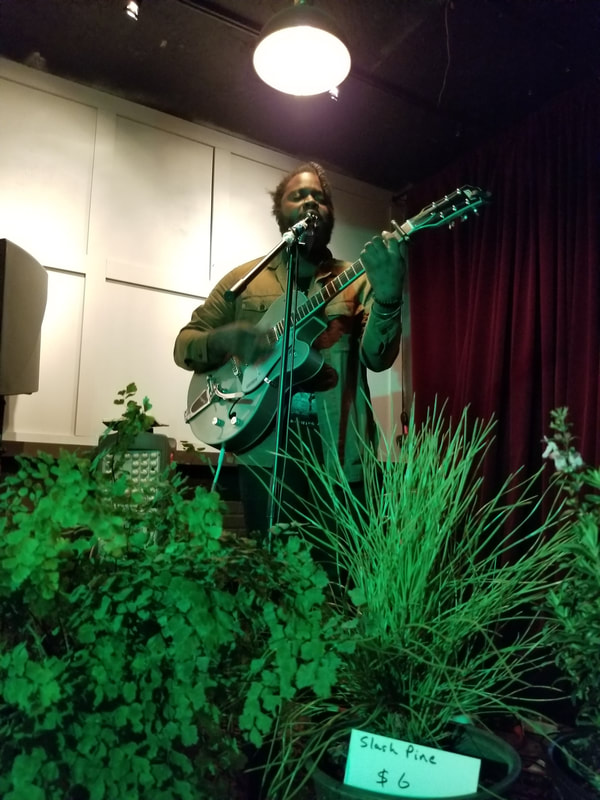
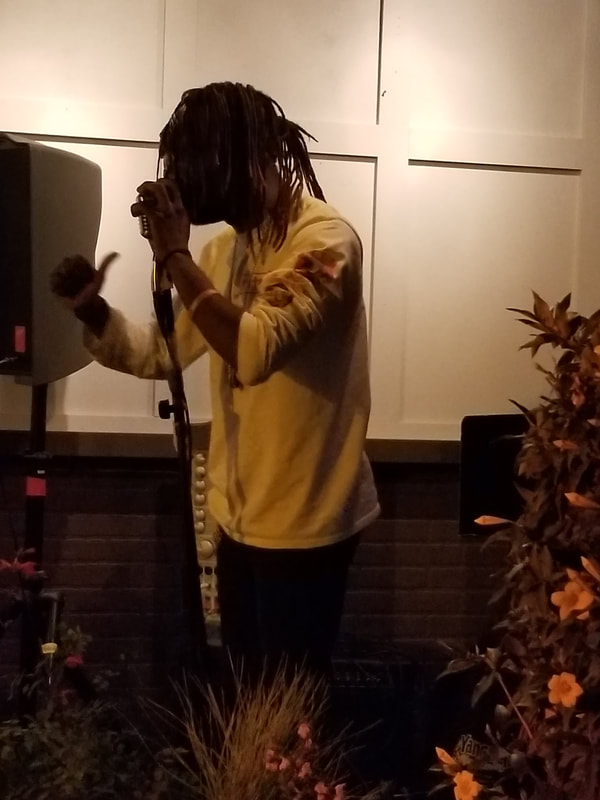
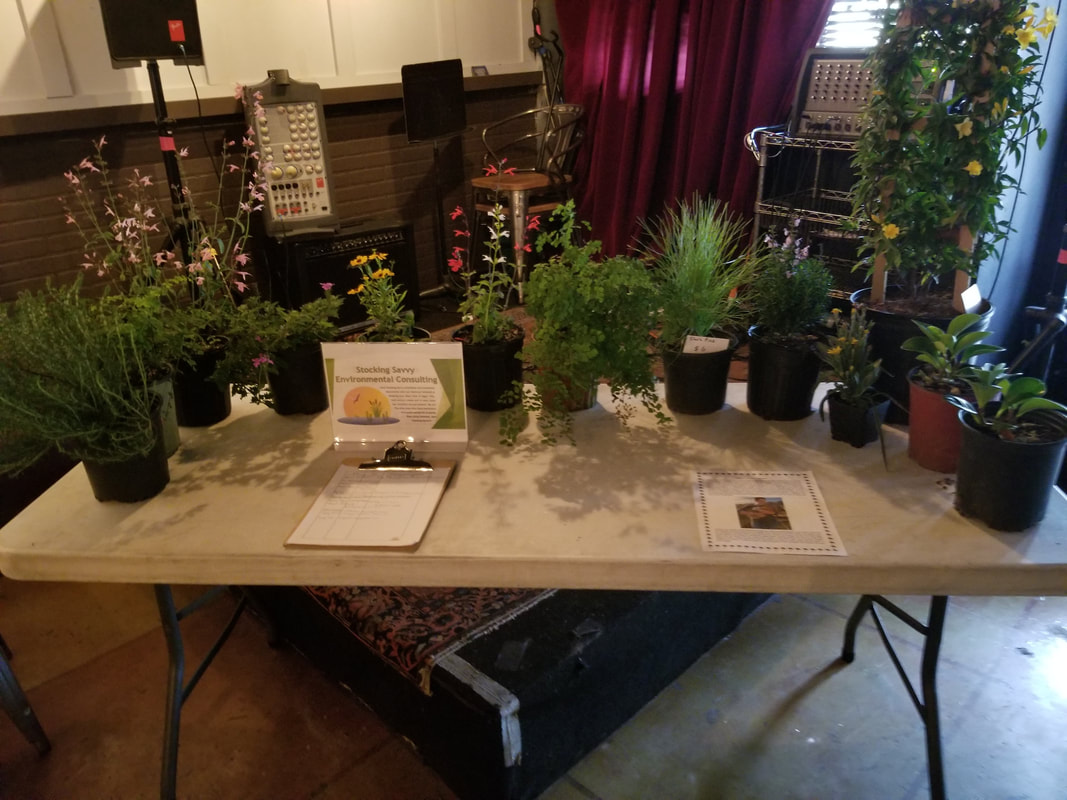
In celebration of the 50th Anniversary of Earth Day, Stocking Savvy will be hosting a festival at Fogartyville Community Media Center featuring environmental vendors, local artists, educational booths, workshops, a native plant sale, and live music by Form.

There will be a $5 entry fee for the event including all music, workshops, and vendors, with all proceeds helping Stocking Savvy to achieve its mission of fighting climate change and red tide through habitat restoration. There will be food, drinks, and a variety of vendors, including a massive native plant sale with a wide array of flowers, small trees, and butterfly plants.

So come one, come all, and support the environment in a fun and spectacular fashion at Fogartyville Community Media Center, 525 Kumquat Ct, Sarasota, FL 34236 at 5pm on April 4th!
8 Comments

Aquatic Butterfly Gardens at the FANN Conference

11/2/2019

1 Comment

 
Stocking Savvy is proud to be doing a talk on Native Plants and Butterfly Gardens at this year's Native Plant Show sponsored by the Florida Association of Native Nurseries, FANN! We are proud to have several sponsors for our booth including the Native Plant Horticulture Foundation, as well as the People's Alliance to Sustain our Posterity. We will be talking about retention ponds, aquatic ecosystems, and wetland pollinator habitat. For our session check out this link below.
https://www.nativeplantshow.com/speakers/sean-patton/
1 Comment

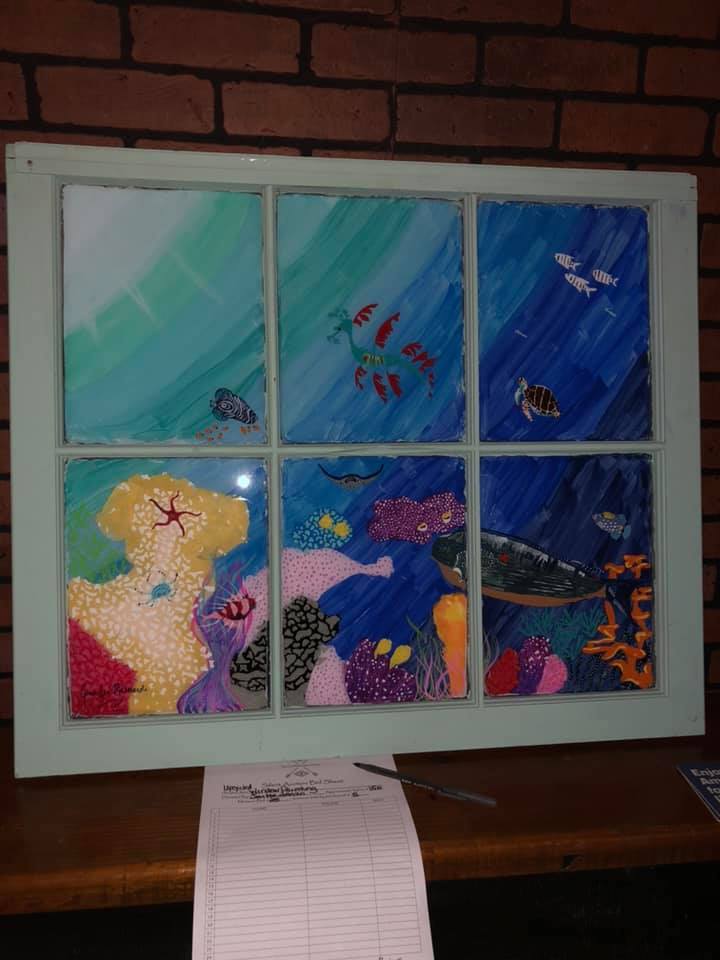
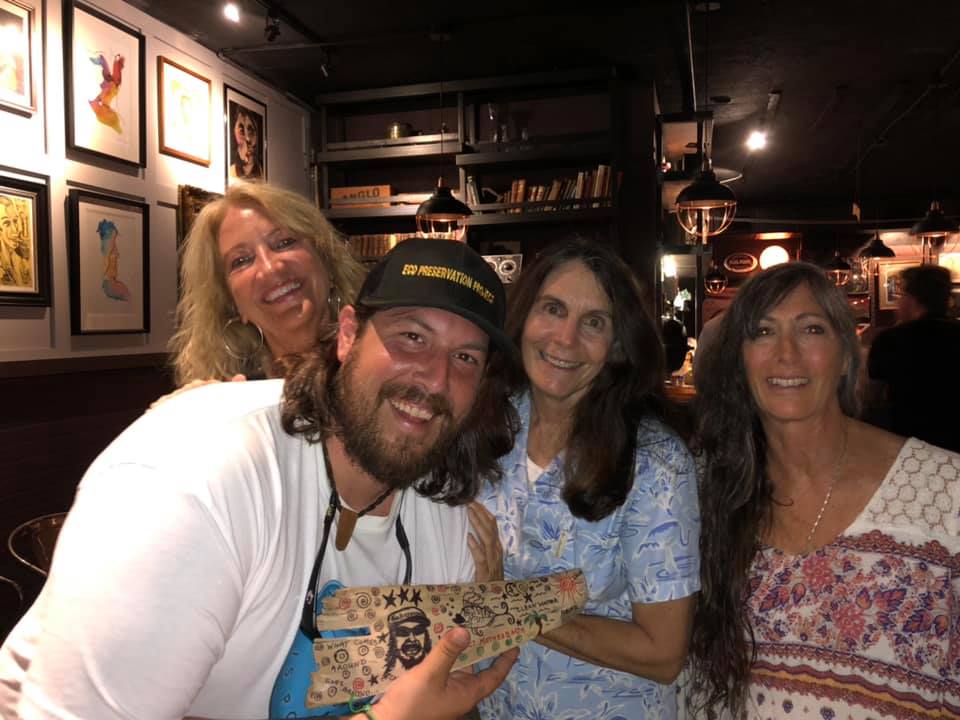
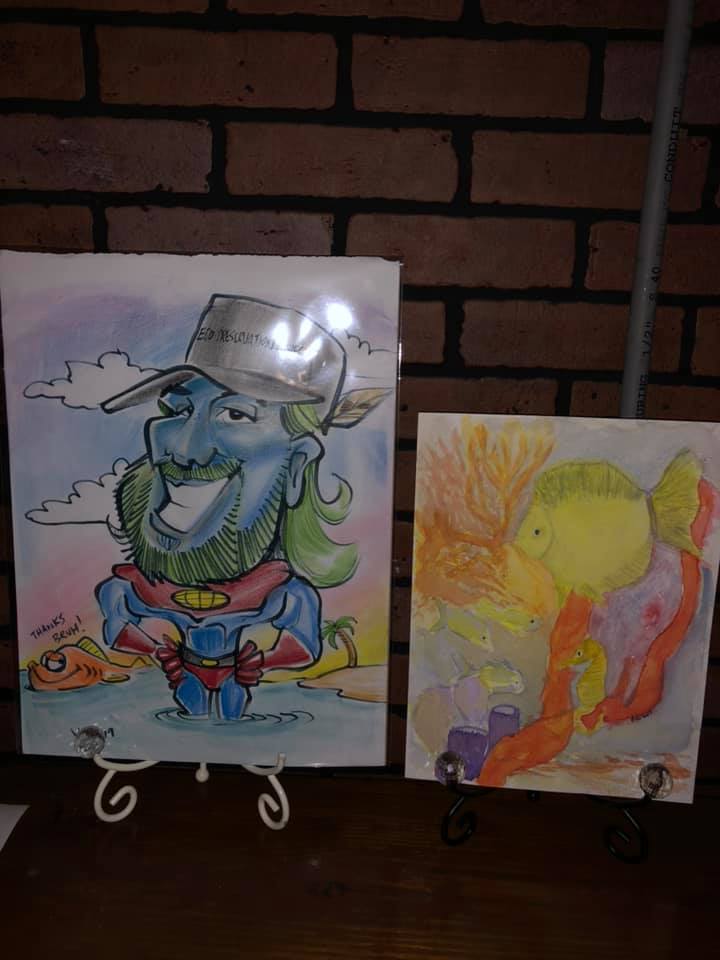
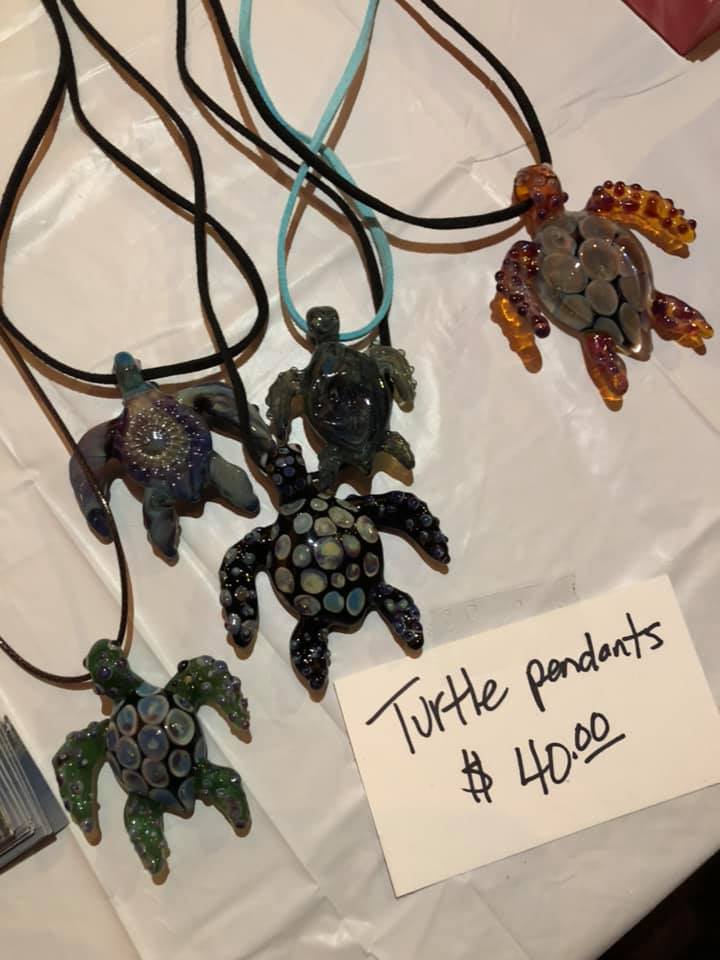
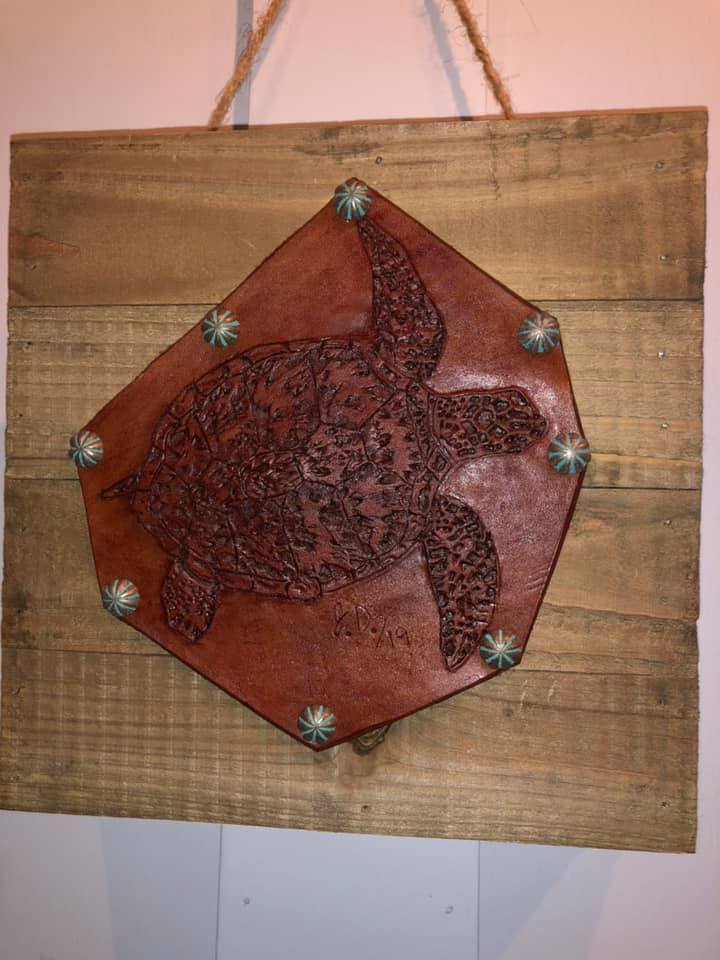
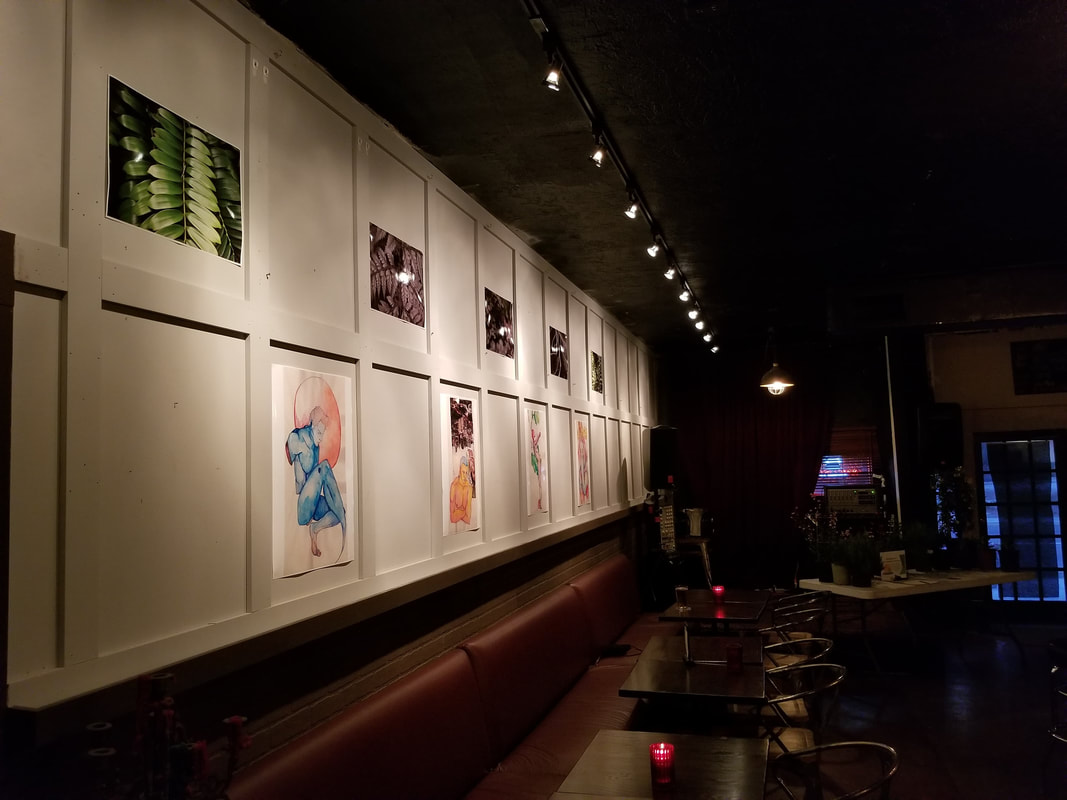
Stocking Savvy Eco Logical Art Collective Show at Art Ovation Raises Money for Habitat Restoration

5/26/2019

1 Comment

 
Picture
1 Comment

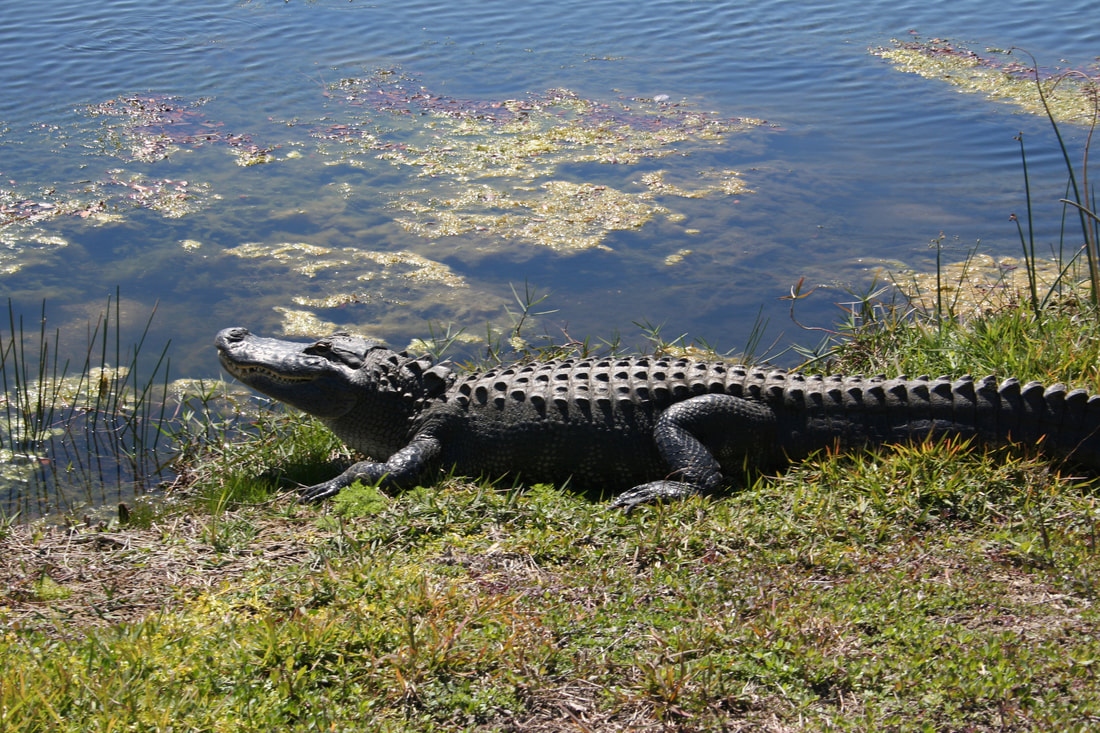
First Stocking Savvy Commercial!

5/16/2019

0 Comments

 
After breaking 200 followers on social media we are proud to announce our first commercial! 
Thank you all for your support and don't forget to keep Stocking Savvy!
Also a big thank you to Growl Studios for the video design and supporting our company.
0 Comments

Stocking Savvy Newsletter Out!

3/12/2019

0 Comments

 
Picture
Stocking Savvy's first newsletter and email is here! We have news on local politics, invasive species, and even promotions from local green businesses! Check it out and if you'd like to receive future news from us sign up below!

    Ecological Newsletter Sign Up

Subscribe to Newsletter
0 Comments

Stocking Savvy and Beautiful Ponds Awarded Grant by Charlotte Harbor National Estuary Program

2/28/2019

3 Comments

 
Picture
Stocking Savvy and Beautiful Ponds have been awarded a grant for a joint project on Multimodal Biological Control by the Charlotte Harbor National Estuary Program. This grant will go to fund algae sampling in freshwater lakes as well as support research into how the use of native species of fish, invertebrates, and plants can help reduce hypereutrophication. Hypereutrophication is when a water body has extremely high amounts of nutrients usually making it uninhabitable by many species due to constant algae blooms and pollution. Parts of the grant will also help reduce invasive species spread and coverage which has been a large problem in habitat restoration as these species reduce habitat quality and can push out native species. If you are interested in volunteering on a habitat restoration project such as native plantings, fish stocking, research, or invasive species removals alongside experts in the field please contact us today through out online contact portal at https://www.stockingsavvy.com/contact.html we are amassing a group of volunteers to help fight back against Red Tide, Climate Change, and other environmental issues.

Stay tuned for updates on when the project will begin Spring 2019! 
For more information on the programs that support us please check out ​https://www.chnep.org/
3 Comments

Stocking Savvy science multimodal biological control features in house bill 737 with margaret good

2/27/2019

1 Comment

 
Picture
Margaret Good one of our Florida House Representatives recently released HB 737 a water quality bill based on Multimodal Biological Control. So what is Multimodal Biological Control and how does this impact homeowners?
Imagine you have a new development and a retention pond is dug behind your house, this is intended to store and filter stormwater and provide habitat to animals as a mitigation from environmental damage to the original property. These ponds are commonly known to be filled with invasive plants, nutrients, and algae that in order to look good require extensive herbicide use and maintenance. Herbicides kill the algae and often many of the invertebrates and beneficial plants present as well. The now decaying algae and nutrients then wash out into the bay where inshore nutrient pollution can make Red Tide worse. Not to mention recurring harmful freshwater algae blooms, herbicide resistant algae, lack of usable habitat, poor water quality, increased maintenance costs, poor property values, and numerous other flaws with current herbicide focused management.

So why wouldn’t we put something in these ponds and lakes to eat the algae? Well some people have tried using Tilapia, Plecostomus, and non-sterile Grass Carp to clean ponds but these are non-native species that can have disastrous effects on the ponds such as erosion, poor bass fishing, low water quality, vulnerability to weather and low oxygen, and overpopulation. So what about native species? Well most native species aren’t as effective as these monstrous herbivores and when using a single species they only remove the portion of algae where they live. For example brown bullhead catfish only eat algae on the bottom of a pond not the middle or top because they live, have adapted, and prefer benthic habitat. So what happens if you use a variety of fish, invertebrates, and plants to target algae everywhere it grows in the pond? This has been shown to be more effective than any single biological control as the fish target different areas and compete with one another. You can even extend beyond just controlling algae and target midge flies, floating weeds, and submersed vegetation.

Frequently Asked Questions

Wow this sounds great but if there are so many native species that can do this why aren’t they finding these ponds on their own? Well, roads, houses, and flood control structures do a great job of preventing fish from finding these retention ponds requiring human based stocking.

​If it’s so simple why don’t we do it already? Many countries do habitat restoration including the USA! We plant seagrass, oysters, and stock fish in bays and estuaries to improve water quality and fishing. Multimodal Biological Control aims to do what we have been doing for years in other areas but now do it in freshwater where there are dozens of species that are prime candidates for targeted restoration.

So why wouldn’t we do the same habitat restoration for freshwater? In fact we do extensively use mosquitofish to help reduce mosquitos and it infinitely more cost effective and less laborious than pesticides. We can improve fishing, birding, and conservation. At the same time we save money on maintenance and herbicides, while increasing property values and sport fishing. It’s time to use herbicides as a last resort not a first resort, and simply use native species to preemptively tackle the problems growing in our own backyards.
​
Multimodal Biological Control is meant to be used as a preventative measure to help reduce herbicide and maintenance costs while restoring our lakes and waterways. Every plant, invertebrate, and fish is native to the region being stocked. Every site gets a few herbivores, filter feeders, and detritivores so that should disease or pollution claim one there will still be a functioning ecosystem. It is about using the way ecosystems work to our advantage and letting natural processes run rather than complete chemical control which has let to declining water quality. This is nothing new, it is simply expanding on the existing policies that work to reduce not eliminate the use of herbicides.
1 Comment

Captain Planet and the EPP Art Show makes waves! Raising money to fight the tides

2/27/2019

2 Comments

 
2 Comments
<<Previous

    Author

    Sean Patton is a wetland biologist and environmental consultant serving Sarasota and Manatee counties. He has written and defended an Honors Thesis at New College of Florida, and continues to do independent research to better understand Florida's ecosystems and provide the most specialized consultations possible. He has presented at the Environmental Summit and many other locations on his research; Multimodal Biological Control which is the selective stocking of native organisms to target and control nuisance organisms.

    Environmental Summit Lecture 
    ​Multimodal Biological Control
    Frogfish Vagility Between Natural
    ​and Artificial Structure - Sean Patton

    Archives

    February 2026
    January 2020
    December 2019
    November 2019
    May 2019
    March 2019
    February 2019
    January 2019
    December 2018
    October 2018
    September 2018

    Categories

    All

Proudly powered by Weebly
  • Home
  • About
  • SERVICES
  • OUR BOOK
  • Issues
  • PLANT LIST
  • Plant Stocking
    • Aquatic Plant Stocking
    • Terrestrial Plant Stocking
  • Animal Stocking
    • Fish and Invertebrates
    • Reptiles & Amphibians
  • SHOP
  • News
  • Contact
  • The Arts
  • Green Businesses
    • Supported Nonprofits and Grant Programs
  • Newsletter Archive